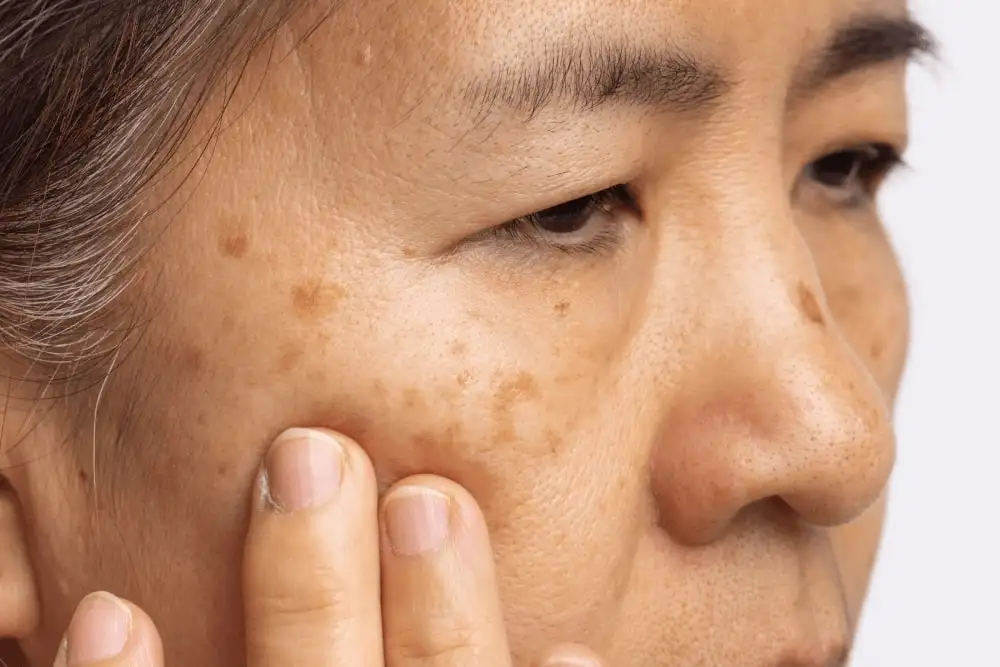
As women transition through perimenopause and menopause, skin changes can lead to a range of emotional and physical challenges. Common alterations include dryness, irritation, and loss of elasticity. Recognizing these symptoms is essential for providing holistic treatment strategies. Dr. Dedecker utilizes a comprehensive approach that includes natural remedies, dietary adjustments, and lifestyle modifications. Empowering women to embrace this transformative phase is at the core of effective care focused on skin health.

Recognizing Skin Changes In Women

Skin changes during perimenopause and menopause manifest in various ways, often indicating shifts within the body. Identifying symptoms is the first step towards effective treatment strategies that improve skin health.

  • Dry skin

  • itchy skin

  • wrinkles

  • pigmentation changes

  • acne flare-ups

  • sensitivity

  • redness

  • loss of elasticity

  • sagging skin

  • hair thinning

  • slow healing

  • uneven skin tone

Section Image

Understanding Causes of Skin Changes

Skin changes in women during perimenopause and menopause are primarily driven by hormonal fluctuations, particularly decreases in estrogen levels. This hormonal shift can lead to diminished skin moisture, alterations in collagen production, and changes in skin elasticity. Additionally, environmental factors, genetic predisposition, and lifestyle choices can exacerbate these skin-related issues. Recognizing and addressing these causes allows for targeted treatments that effectively mitigate adverse effects and support overall skin health for women in this transitional phase of life.
Section Image

Effective Testing and Treatment Strategies

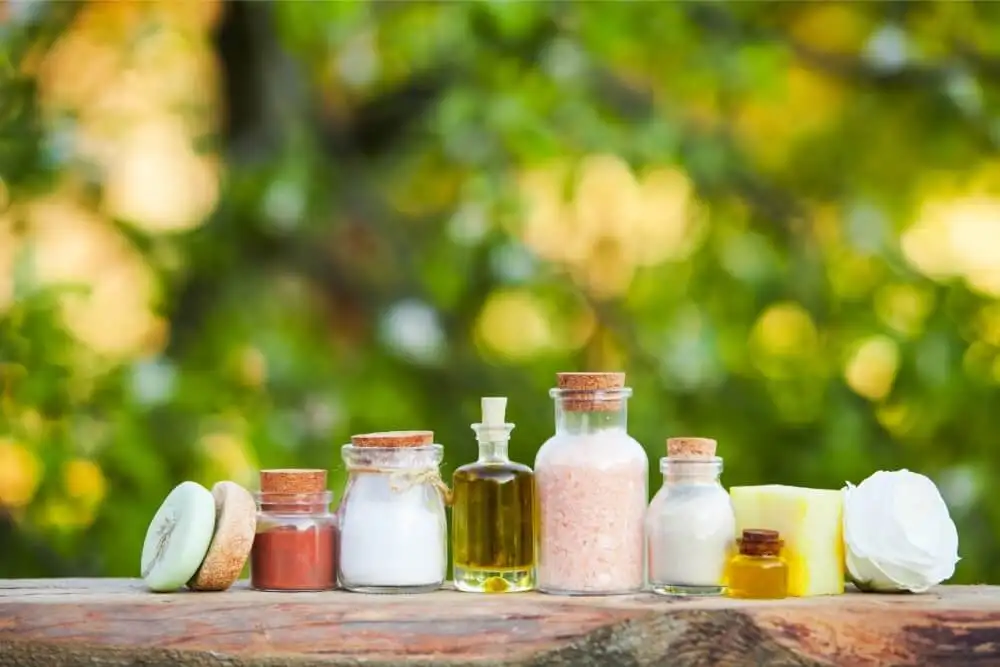
Dr. Dedecker employs a comprehensive approach to evaluate skin changes during perimenopause and menopause. Testing may include hormone level assessments, skin hydration tests, and evaluations of overall health, ensuring tailored treatments. Options could range from natural supplements to promote skin health, personalized skincare routines, and dietary interventions. Regular follow-ups and adjustments based on individual responses are crucial to optimize outcomes. By prioritizing integrative methodologies, women can achieve significant improvements in both skin health and overall quality of life through targeted, individualized care.

Section Image

Dietary Strategies for Skin Wellness

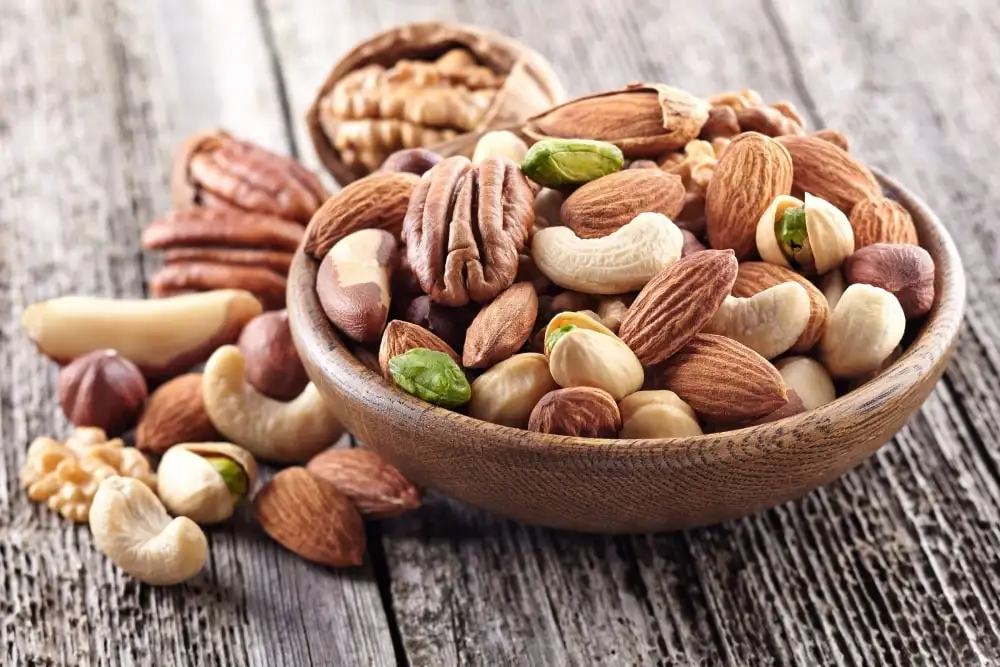
Nutritional choices play a pivotal role in managing skin changes associated with perimenopause and menopause. A focus on antioxidant-rich foods, omega-3 fatty acids, and adequate hydration is vital. Incorporating fruits, vegetables, nuts, and healthy fats can enhance skin texture and moisture levels. Conversely, reducing processed foods and sugars may alleviate inflammation and improve overall skin quality. Consulting with a Naturopathic Doctor can help create a personalized dietary plan that addresses specific skin concerns while promoting general health, allowing for a smoother transition through this stage of life.

FAQs

Frequently Asked Questions

Common changes include dryness, wrinkles, increased sensitivity, irritation, and a loss of elasticity and moisture, impacting overall skin health.

Naturopathic Doctors provide personalized treatments focusing on hormonal balance, diet, natural remedies, and lifestyle modifications to enhance skin health.

Implementing a well-balanced diet, staying hydrated, managing stress, and following a tailored skincare routine can significantly enhance skin health during this transition.