Hair loss and thinning can be frustrating, distressing, and deeply personal. Whether you're noticing increased shedding, thinning around the temples, or a change in hair texture or growth, naturopathic care takes a comprehensive approach to identify and address potential root causes.
In my practice, I support anyone experiencing hair loss - recognizing that contributing factors like hormonal changes, nutrient deficiencies, stress, or chronic inflammation can affect people differently. Together, we’ll explore contributing factors and create a sustainable, evidence-informed plan to support healthier hair and improved scalp function.
The goal isn't just short-term re-growth - but long-term resilience and confidence.
Common Signs of Hair Thinning or Loss
Early signs of hair changes are often subtle but important to catch. If you’re noticing any of the following, it may be time to take a closer look:
-
Changes in hair texture or brittleness
-
Dry, flaky, or inflamed scalp
What Causes Hair Loss?
Hair loss can have many different contributors, and it’s often multifactorial. Some of the more common drivers include:
- Hormonal changes – including postpartum shifts, perimenopause/menopause, thyroid imbalance, or PCOS
- Nutrient deficiencies – particularly low iron/ferritin, zinc, protein intake, and vitamin D
- Stress and inflammation – chronic stress can disrupt the hair cycle and contribute to inflammatory scalp conditions
- Digestive concerns – poor absorption or gut inflammation can impair nutrient uptake
- Genetics – such as androgenetic alopecia (pattern thinning)
- Underlying conditions – recent changes in weight, autoimmune disease, recent illness, or blood sugar dysregulation and insulin resistance
Identifying the “why” behind your hair loss is a key step toward effective, targeted treatment.
Testing & Diagnosis
A naturopathic assessment includes a detailed health history and symptom review. When indicated, additional testing may include:
- Bloodwork – to assess iron/ferritin, vitamin D, thyroid function, sex hormones, and markers of inflammation
- Nutritional assessment – dietary review and evaluation for deficiencies
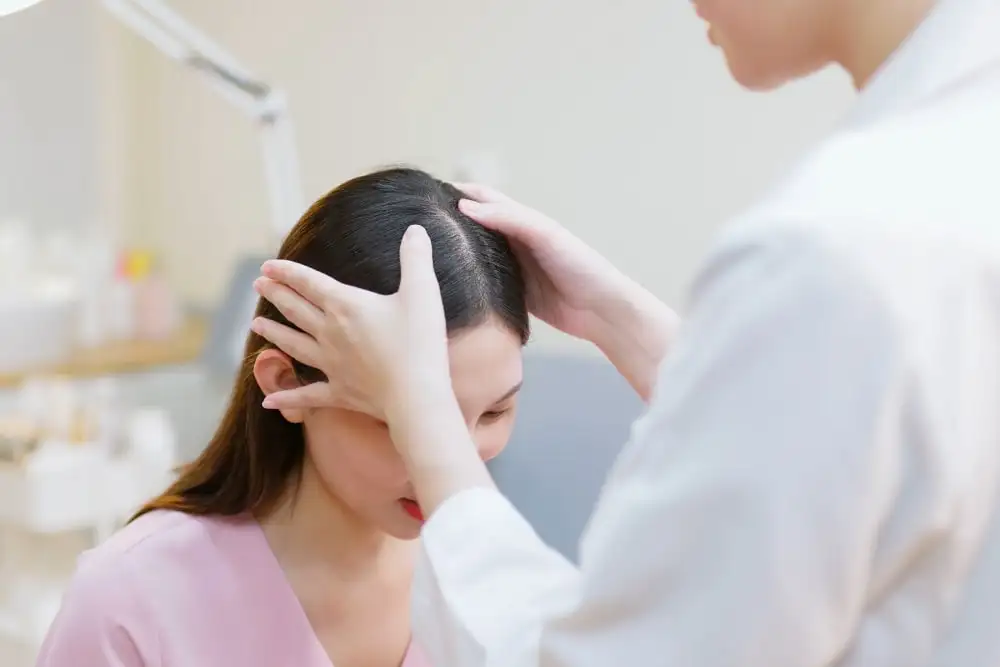
- Scalp exam – to look at inflammation, scaling, or pattern of hair loss
- Stool testing – in select cases, to evaluate gut health and absorption
I may also recommend co-management or referral back to your family doctor or dermatologist for additional work-up or biopsy if needed.
Treatment Strategies
Your treatment plan will be tailored to your unique presentation and health history. It may include:
- Nutritional guidance – focusing on a diverse, anti-inflammatory diet rich in protein, healthy fats, and micronutrients
- Herbal and nutraceutical support – using evidence-based ingredients to support hair cycle, reduce shedding, and address deficiencies
- Topical therapies – such as botanical extracts or over-the-counter options to support scalp health
- Stress and sleep support – addressing nervous system regulation, cortisol, and recovery
- Lifestyle recommendations – including guidance around gentle hair care, UV protection, and reducing inflammatory triggers
Ongoing follow-ups help monitor progress and adapt your plan as needed.
Nutrition & Hair Health
Food is a powerful foundation for healthy hair. A few core nutrition principles I often emphasize:
- Iron-rich foods (e.g. leafy greens, lentils, lean meats)
- Zinc sources (e.g. pumpkin seeds, seafood, eggs)
- Vitamin D (from foods and sun exposure, or supplements when needed)
- High-quality protein to support keratin production
- A diverse, fiber-rich diet - to feed the gut microbiome, reduce inflammation, and optimize nutrient absorption
- Hydration and healthy fats (e.g. nuts, seeds, olive oil) for scalp barrier support
- Limiting ultra-processed foods, alcohol, and excess sugar to minimize inflammatory load
We’ll build a nutrition plan that’s realistic, nourishing, and sustainable - without unnecessary restriction.
FAQs
Frequently Asked Questions
Common causes include hormonal changes, nutritional deficiencies, stress, genetics, and certain medical conditions. Identifying these is essential for effective treatment.
Naturopathic remedies address root causes through holistic approaches, including dietary changes, herbal treatments, and lifestyle modifications focused on overall health.
Results may vary; improvements are typically noticed after a few months of consistent treatment. Regular follow-ups will monitor progress and adapt as necessary.
.png)
.png)
