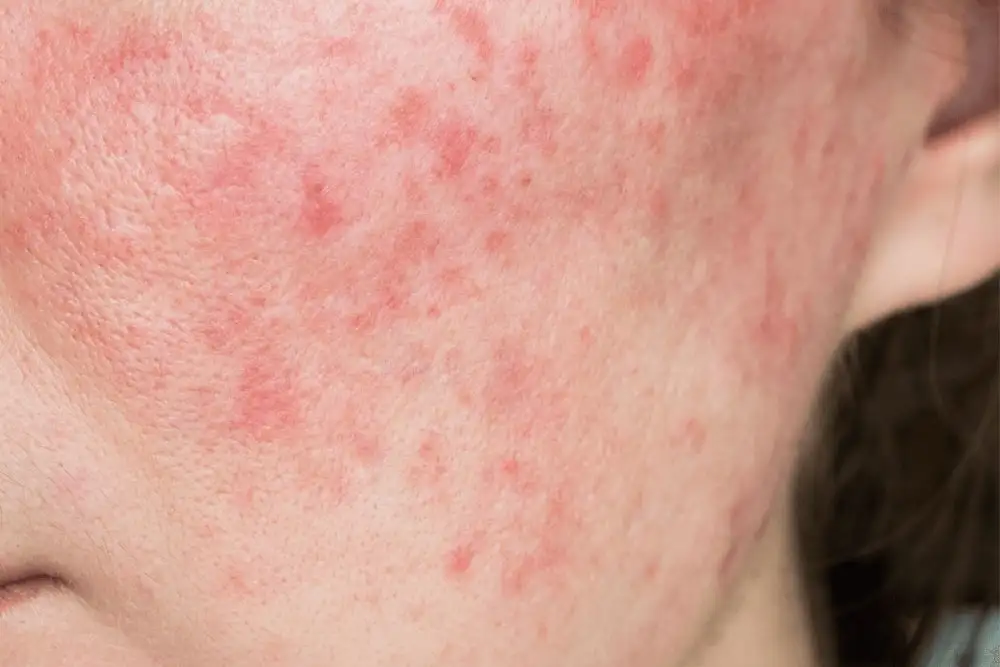
Rosacea is a chronic skin condition that can present in many ways - from persistent facial redness and flushing, to acne-like breakouts, skin sensitivity, and even changes in skin texture or eye health. While it’s common, it’s also complex - and effective treatment means going beyond the surface.
In my practice, I take an integrative, root-cause approach to rosacea care. That means identifying your unique triggers, supporting skin barrier health, and addressing internal contributors like gut function, inflammation, hormonal influences, and immune response.
Rather than offering one-size-fits-all solutions, I work with you to build a personalized plan that’s grounded in science and tailored to your skin.
What Are Common Signs of Rosacea?
Rosacea can affect each person differently, but some of the most common signs include:
-
Facial redness or persistent flushing
-
Visible blood vessels (telangiectasia)
-
Bumps or acne-like breakouts
-
Thickened skin or changes in skin texture(phymatous changes)
-
Eye involvement (dryness, irritation, redness)
What Contributes to Rosacea?
There’s no single cause of rosacea, but several factors may contribute or trigger flare-ups:
- Immune system dysregulation and chronic inflammation
- Skin barrier dysfunction and heightened sensitivity
- Imbalances in the gut microbiome (gut-skin axis)
- Environmental triggers such as heat, UV exposure, or cold
- Dietary triggers including alcohol, spicy foods, and histamine-rich foods
- Stress and nervous system reactivity
- Hormonal changes (e.g., perimenopause) in some individuals
Understanding these contributors helps guide a more effective and sustainable treatment plan.
Testing and Treatment Approach
When working with patients experiencing rosacea, I start with a detailed health and skin history, including symptom patterns, suspected triggers, and any coexisting health conditions.
From there, we may explore:
- Targeted lab testing (e.g., gut health, hormones, nutrient status)
- Lifestyle and environmental review (to identify and reduce triggers)
- Topical strategies to calm inflammation and support the skin barrier
- Evidence-based botanicals and natural therapies
- Personalized nutrition plans to lower inflammation and support microbiome health
- Stress management support to help regulate nervous system responses
Treatment is always tailored to your skin and your story.
Nutrition & Rosacea
Nutrition plays a meaningful role in managing inflammation and reducing flare-ups. While triggers can vary person to person, some consistent strategies include:
- Focusing on anti-inflammatory foods such as leafy greens, berries, oily fish, flaxseeds, and olive oil
- Supporting gut health with prebiotic fibers and fermented foods (as tolerated)
- Staying well hydrated to help maintain skin barrier function
- Minimizing common dietary triggers like alcohol, spicy foods, high-sugar items, and histamine-rich foods (if relevant)
Together, we can identify your unique dietary triggers and create a plan that supports both your skin and your overall well-being.
FAQs
Frequently Asked Questions
A holistic approach to rosacea includes lifestyle changes, dietary adjustments, and the use of targeted natural remedies. This comprehensive strategy addresses root causes while alleviating symptoms effectively.
Diet plays a crucial role in rosacea management. Avoiding trigger foods and incorporating anti-inflammatory options can help manage symptoms and improve skin health over time.
Treatment duration varies by individual case. With a consistent holistic approach, many patients notice improvements in weeks, while comprehensive skin health may require ongoing care.