Dandruff and seborrheic dermatitis are common, chronic scalp conditions that can cause discomfort, self-consciousness, and frustration. Naturopathic care takes a whole-person approach - looking beyond the surface to explore possible root causes like microbiome imbalances, inflammation, stress, and hormonal changes. With natural therapies, lifestyle strategies, and personalized treatment plans, there are supportive solutions that go beyond symptom suppression and work toward lasting relief.
Whether you're navigating persistent flakes, irritation, or sensitivity, my goal is to help you feel more comfortable and confident in your skin.
Recognizing Symptoms: What to Watch For
Symptoms of dandruff and seborrheic dermatitis can vary widely from person to person, often fluctuating in severity. Common signs include:
-
Flaky or shedding scalp
-
Itching or irritation
-
Redness and inflammation
-
Greasy or oily patches
-
Dry, scaly skin around the scalp, eyebrows, ears, or nose
-
Scalp sensitivity or tenderness
-
Crusting, thickened patches, or yellowish scales
-
Hair thinning in areas of active inflammation
-
Secondary infections due to scratching
Understanding Contributing Factors
There is no single cause of dandruff or seborrheic dermatitis - instead, a range of internal and external factors can contribute, such as:
- Microbial imbalances, particularly overgrowth of Malassezia yeast
- Hormonal fluctuations, including changes during perimenopause, menopause, or high-stress periods
- Stress and immune dysregulation, which can trigger or worsen symptoms
- Environmental factors, like dry air, harsh weather, or irritating hair products
- Nutrient deficiencies, particularly zinc, B vitamins, and essential fatty acids
- Underlying conditions, such as seborrhea, eczema, or metabolic concerns
Understanding your unique health story and potential triggers allows for a more targeted and sustainable treatment approach.
Testing & Naturopathic Assessment
A naturopathic assessment typically includes a detailed health history, review of symptoms, and evaluation of contributing factors. Depending on the presentation, additional testing may include:
- Scalp or skin scrapes to assess for microbial overgrowth or infection
- Bloodwork to evaluate nutrient status (e.g., zinc, vitamin D, iron, B vitamins)
- Hormonal assessments where relevant
- Referrals to your family doctor for dermatological workup if needed
This comprehensive intake helps build a treatment strategy that supports both symptom relief and long-term skin resilience.
Natural Treatment Strategies
Personalized treatment may include a combination of:
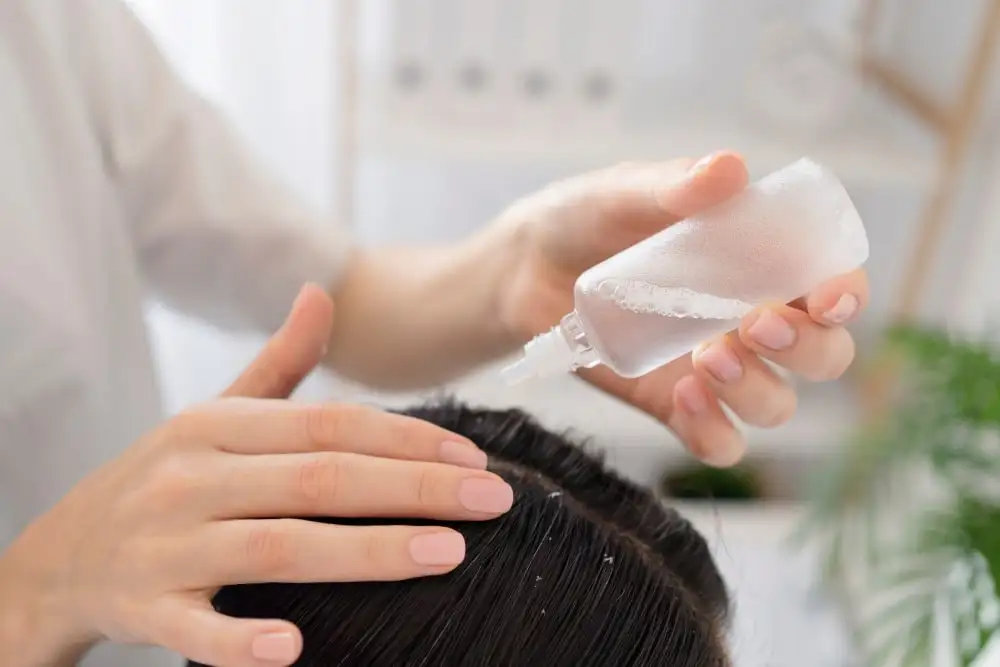
- Topical botanicals with anti-inflammatory, antifungal, or barrier-supportive properties (e.g., tea tree oil, aloe, calendula)
- Supplementation with key nutrients like zinc, biotin, B-complex, or omega-3s
- Stress support, including adaptogens or nervous system regulation
- Lifestyle strategies such as scalp hygiene, product swaps, and mindfulness
- Regular follow-up to track progress and adapt your care plan
My aim is to offer evidence-informed, individualized care to help you better understand your condition and feel more in control of your skin health.
Nutrition & Scalp Health
What you eat can influence how your skin and scalp feels. While diet alone doesn’t cause or cure seborrheic dermatitis, thoughtful nutrition choices may support symptom management. We may explore:
- Omega-3 rich foods, such as fatty fish, flaxseeds, and walnuts
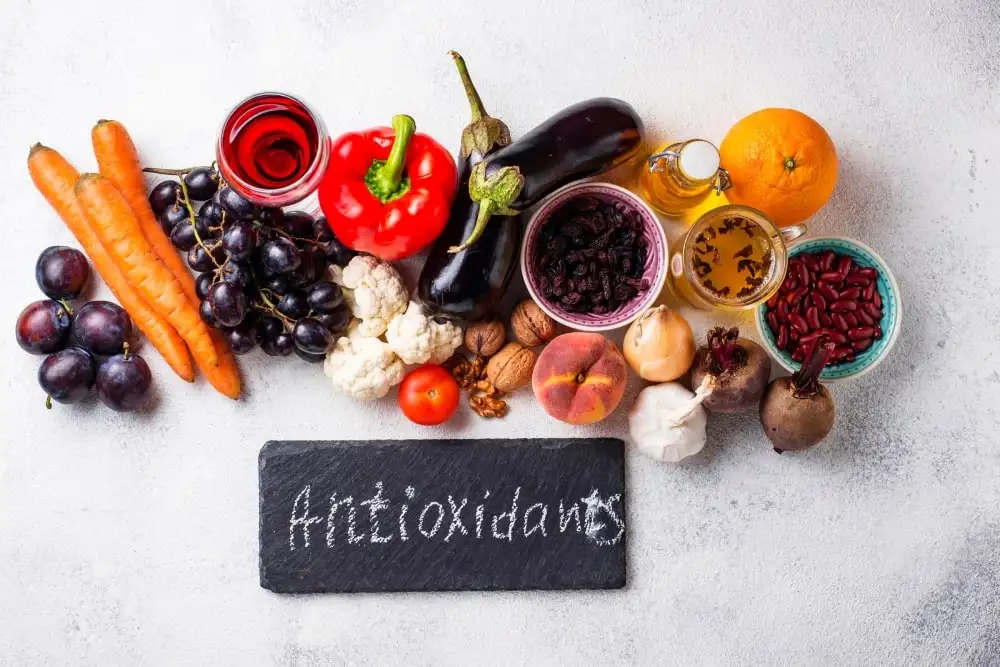
- Antioxidant-rich fruits and vegetables, including berries and leafy greens
- Anti-inflammatory spices, like turmeric and ginger
- Reducing processed foods, sugars, and alcohol where appropriate
- Increasing plant diversity and fiber, which supports a healthy gut microbiome linked to skin regulation
Together, we’ll develop a nutrition plan that fits your preferences, lifestyle, and skin needs - without unnecessary restrictions.
FAQs
Frequently Asked Questions
There are a number of natural treatments for seborrheic dermatitis. Things like tea tree, aloe vera, and herbal rinses can help calm inflammation and irritation, while also offering antifungal support. Nutrient support - like zinc, B vitamins, or vitamin D - may also play a role. It's also key to avoid heavy oils, which can sometimes make things worse by feeding Malassezia, the yeast often involved in symptoms.
Treatment duration varies based on individual responses and severity. Typically, noticeable improvement may be seen within a few weeks, but ongoing care is often beneficial.
Yes, a diet rich in omega-3 fatty acids and vitamins B, D, and E can significantly improve skin hydration and reduce dandruff symptoms. Personalized nutrition plans can enhance results.

.png)