Eczema is a chronic inflammatory skin condition that can significantly affect quality of life. Naturopathic care takes a whole-person approach to eczema, focusing on identifying potential root causes - such as immune system dysregulation, environmental triggers, stress, and dietary factors - and supporting skin health from the inside out. Whether you’re navigating your first flare or looking for long-term management support, I take the time to understand your story and your skin. We’ll work together to uncover contributing factors and build a sustainable plan to help you feel more comfortable in your skin. Treatment plans are personalized and may include topical therapies, herbal medicine, nutrition guidance, and strategies to support immune and barrier function. The goal is not just short-term relief, but long-term skin balance and improved resilience.

Recognizing Eczema Symptoms

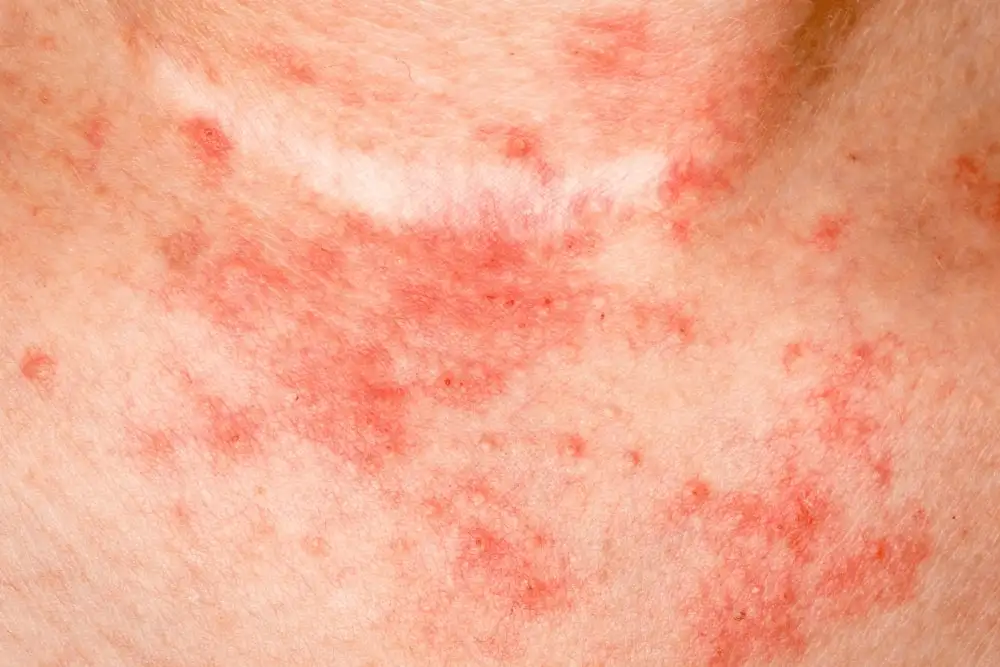
Eczema (also called atopic dermatitis) may present differently from person to person, but common signs and symptoms include:

  • Dry, itchy skin

  • Red or inflamed patches

  • Flaky or rough skin

  • Cracking or thickened skin

  • Blistering or oozing in acute flares

  • Discoloration or changes in pigmentation

  • Burning or stinging sensations

  • Increased sensitivity or reactivity

Section Image

Common Triggers and Contributing Factors

Eczema is multifactorial. Some common contributors include:

  • Genetic predisposition
  • Allergic or environmental triggers (e.g., pollen, pet dander, dust mites, certain fabrics or detergents)
  • Dietary sensitivities
  • Skin and gut microbiome imbalances
  • Chronic stress and dysregulated cortisol
  • Dry indoor air or seasonal climate changes

Identifying and addressing the contributors that are unique to you is the key to building an effective treatment plan.

Section Image

Diagnostic and Treatment Approach

A naturopathic assessment for eczema typically includes a detailed history, review of symptoms, and evaluation of possible contributing factors. Additional testing may be recommended based on individual needs and may include assessments for nutritional deficiencies, skin scrapes or swabs to check for microbial overgrowths, or comprehensive stool analysis. Referrals back to your primary care provider may also be suggested for further work-up, including patch testing or IgE allergy testing.

Once contributing factors are identified, I’ll work with you to develop a tailored treatment plan that may include topical applications, herbal remedies, and dietary changes.

Treatment strategies may involve:

  • Soothing topical support (e.g., barrier-repair creams, botanical preparations)
  • Herbal or nutritional interventions to address inflammation and support immunity
  • Dietary modifications to reduce triggers and promote skin healing
  • Stress reduction techniques to support the nervous and endocrine systems
  • Gut and microbiome support, when relevant

Follow-up visits are also important for fine-tuning your care plan as symptoms evolve and improve.

Section Image

Nutritional Support for Eczema

Diet can play a key role in managing eczema for some individuals. While there’s no single "eczema diet," certain evidence-based nutritional strategies may help reduce inflammation and support skin healing:

  • Increase: plant diversity, anti-inflammatory foods (e.g., berries, leafy greens, ginger), foods rich in Omega-3s, foods rich in vitamin D, zinc, and vitamin A
  • Reduce or avoid: known allergens or common triggers such as cow’s dairy, eggs, gluten, or processed foods - if relevant to your case
  • Hydration and gut health: Ensuring adequate fluid intake and optimizing digestion and bowel movements can support skin barrier function

A personalized nutrition plan that considers your sensitivities, preferences, and health goals can support both your skin and overall well-being.

FAQs

Frequently Asked Questions

Natural treatments include topical herbal remedies, dietary changes, and stress management techniques enhancing overall skin health. A tailored approach is essential.

Stress can trigger or worsen eczema symptoms, leading to skin inflammation and itching. Stress management techniques are crucial for effective treatment.

Common trigger foods include dairy, nuts, eggs, and gluten. Individual sensitivities vary, so keeping a food diary aids in identifying specific triggers.